 Personal Blogging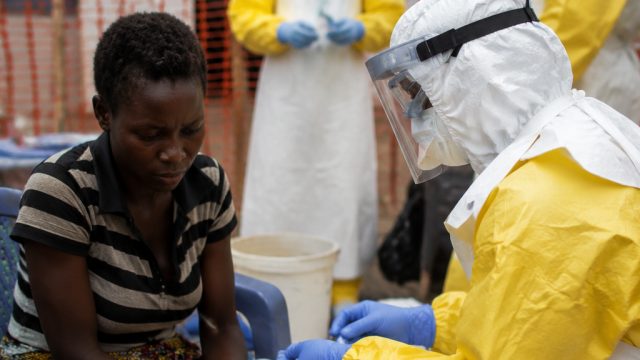
The World Health Organization (WHO) has reported a staggering rise in Ebola cases in the Democratic Republic of Congo (DRC), with this outbreak becoming the most significant in terms of first-month case totals. As of now, over 1,000 infections have been confirmed, raising alarm bells among health officials globally.
Understanding the Current Ebola Situation
The DRC has a long history of dealing with Ebola outbreaks, yet this latest increase in cases marks a critical turning point. The early phase of this outbreak has surpassed all previous records, and it threatens to escalate further if urgent interventions are not implemented swiftly.
Key Statistics and Current Trends
- Total Cases: Over 1,000 confirmed cases within the first month.
- Deaths: At least 254 fatalities linked to this outbreak.
- Health Workers Affected: A rising number of frontline health workers are contracting the virus.
- At-Risk Populations: UNICEF warns millions of children are in jeopardy due to the outbreak.
Why This Outbreak Matters Now
The unprecedented scale of this Ebola outbreak has far-reaching implications, not just for the DRC, but for the world at large. As international travel and interdependence continue to grow, the risk of widespread transmission becomes more pronounced. Understanding why immediate action is crucial can help mitigate a potential global health crisis.
Global Health Risks
With the surge in cases comes the risk of the virus spreading beyond the DRC. Effective containment strategies are essential to prevent an international health emergency. Vulnerable populations are already feeling the brunt of the outbreak, and health systems are strained.
Response Strategies and Vaccination Efforts
Health organizations, including WHO and UNICEF, are ramping up efforts to combat the outbreak. Here are some of the strategies being implemented:
- Contact Tracing: Identifying and monitoring individuals who have come into contact with confirmed cases.
- Vaccination Campaigns: Deploying vaccines to high-risk areas to prevent further infections.
- Public Awareness Initiatives: Educating communities about Ebola transmission and prevention methods.
- Support for Health Workers: Providing necessary resources and protection to frontline medical personnel.
Looking Ahead: The Importance of Preparedness
As the situation evolves, the importance of preparedness cannot be overstated. The international community must remain vigilant and supportive as the DRC navigates this complex health crisis. Investing in healthcare infrastructure and rapid response teams will be pivotal for both current and future outbreaks.
What Can Be Done?
To assist in combating this outbreak, individuals and organizations around the world can take several actions:
- Stay Informed: Follow reliable news sources and health organization updates to understand the situation better.
- Support Aid Efforts: Contribute to organizations working on the ground in affected regions.
- Advocate for Health Investments: Urge governments to invest in global health initiatives and emergency response capabilities.
Conclusion
The alarming rise in Ebola cases in the DRC highlights the urgent need for global health interventions and collaborative efforts. By understanding the implications of this outbreak and acting now, we can help protect vulnerable populations and prevent further escalation of this crisis. The international community's response in the coming weeks will be crucial in shaping the trajectory of this outbreak.