 Personal Blogging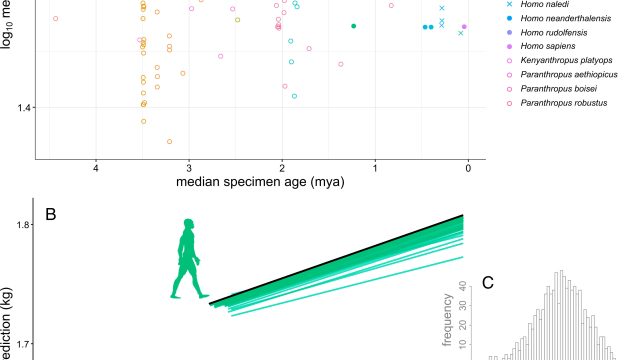
Unexpected Insights on Hominin Body Size Evolution
The study of human evolution constantly uncovers new mysteries, and recent research has brought to light surprising insights into the evolution of body size among hominins. A comprehensive analysis of 386 fossilized specimens reveals that significant changes in body mass occurred rapidly and not uniformly across different species. This finding challenges previous notions of a gradual evolution in body size and invites a closer examination of our evolutionary timeline.
Rapid Changes in Body Mass
The analysis conducted by researchers highlights that the most substantial shifts in body size happened later in the evolutionary timeline, suggesting an abrupt response to environmental changes or adaptations. Unlike earlier theories that proposed a steady increase in body size over millennia, this research shows a more complex picture.
Understanding the Methodology
- Fossil Analysis: Researchers employed advanced techniques to analyze fossil data, providing a clearer picture of body size variations.
- Statistical Models: Sophisticated models were used to interpret the data, revealing patterns that previously went unnoticed.
- Comparative Studies: By comparing different species, the study illustrated the disparities in body size evolution across the hominin family.
Why This Matters Now
Understanding the evolution of body size in hominins is crucial for several reasons:
- Insights into Adaptation: It provides valuable insights into how early humans adapted to their environments, which can inform current discussions about human resilience in the face of climate change.
- Human Ancestry: This research enhances our understanding of human ancestry, allowing us to trace the origins of certain physical traits that define modern humans.
- Impact on Current Populations: By studying past adaptations, we can draw parallels with contemporary humans and their own evolutionary pressures.
The Implications for Future Research
The findings of this study prompt further investigation into the environmental factors that may have influenced such rapid changes. Areas of focus could include:
- Climate Change: Examining how shifts in climate during key periods of evolution may have prompted rapid adaptations in body size.
- Diet and Nutrition: Investigating how changes in diet could have affected body mass and composition.
- Social Structures: Understanding how developing social structures among early humans may have influenced physical evolution.
Conclusion: A Shift in Perspective
The recent study on hominin body size evolution serves as a reminder of the complexities of our ancestral journey. As we continue to uncover new findings, the narrative of human evolution becomes increasingly intricate and fascinating. These insights not only reshape our understanding of where we come from but also pose essential questions about how our species will adapt in the future.
As we engage with this evolving story of human history, it is vital to appreciate the dynamic nature of evolution and remain open to new evidence that challenges established views. Stay tuned to Avresto for more updates and analyses on anthropology and human evolution.