 Personal Blogging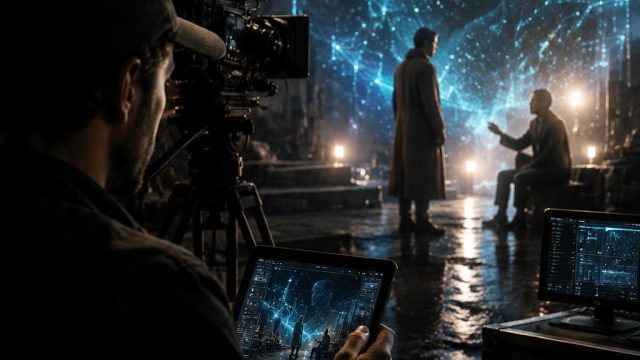
Amid the rapidly evolving landscape of cinematic storytelling, the integration of artificial intelligence in film production has sparked conversations among industry leaders and creatives alike. As filmmakers experiment with this innovative technology, the industry stands on the brink of a transformative revolution. This article explores the timely implications of AI in filmmaking, particularly highlighting recent developments involving acclaimed director Luca Guadagnino.
The Rise of AI in Film Production
Artificial intelligence has begun to permeate various aspects of filmmaking, from scriptwriting to post-production. With tools that assist in generating scripts, enhancing visuals, and even curating soundtracks, filmmakers are witnessing a paradigm shift in how films are conceived and produced. The recent buzz around Guadagnino's project, which had to navigate the complexities of AI technology, underscores the challenges and opportunities facing modern cinema.
Embracing New Technology
As directors like Guadagnino explore the potential of AI, the film industry grapples with questions of authenticity and creativity. The implications of AI can be both thrilling and daunting:
- Creativity vs. Algorithm: Can machines truly replicate or enhance the human creative process?
- Production Efficiency: AI tools can streamline workflows, making the production process faster and more cost-effective.
- Audience Engagement: Personalized content driven by AI could change how viewers connect with narrative forms.
Impacts on Major Film Studios
Major players in the film industry, such as Netflix and A24, are carefully evaluating the implications of AI on their projects. Following the decision to pass on Guadagnino's latest venture, questions arise about how studios perceive the integration of AI within their traditional narratives. The hesitation from established studios to fully embrace this technology could indicate a cautious approach to innovation.
Current Trends in AI and Filmmaking
As AI continues to develop, several trends are emerging:
- Script Generation: AI has the capability to draft scripts based on existing databases, leading to speculation about originality.
- Visual Effects: Enhanced visual effects powered by AI can create spectacular imagery, enhancing audience experiences.
- Marketing Strategies: AI tools are redefining how films are marketed, allowing for more targeted advertising.
Why This Matters Now
The intersection of AI and filmmaking is more than just a trend; it's indicative of broader cultural shifts. As the public grows increasingly accustomed to digital interfaces and algorithm-driven content, the expectations for storytelling evolve. Filmmakers must not only adapt to these changes but also harness them to reach diverse audiences effectively. The urgency for innovation in storytelling has never been greater as competition intensifies.
Conclusion: Navigating the Future of Cinema
As we venture into this new era of filmmaking, directors like Luca Guadagnino represent a vital voice in the conversation about the role of AI. The industry faces a critical juncture: to embrace innovation while preserving the essence of storytelling. As technology progresses, it will be fascinating to see how filmmakers blend traditional artistry with cutting-edge advancements to create captivating narratives that resonate with audiences worldwide.
In conclusion, the dialogue surrounding AI in cinema is just beginning. With studios diversifying their approaches and creatives exploring new landscapes, the future of filmmaking appears both exciting and uncertain. As we continue to observe these developments, one thing is clear: this is a momentous time for filmmakers and audiences alike.