 Personal Blogging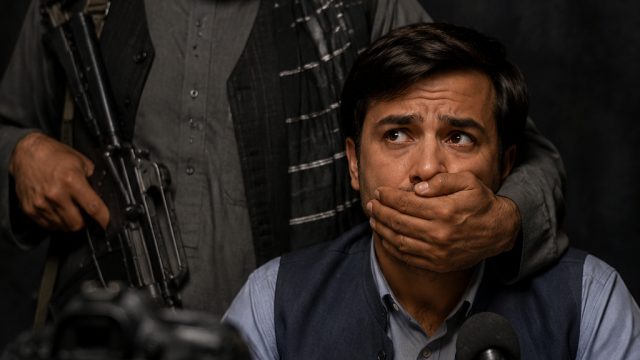
The recent raid on Tamadon TV by Taliban forces underscores a troubling trend in Afghanistan: a significant escalation in the suppression of media freedoms. This event not only impacts those directly involved but also resonates with the global community as it highlights the precarious state of independent journalism in the region.
The Current State of Media in Afghanistan
In a country where media has been an essential part of civil society, the Taliban's actions signal a stark regression. Analysts and advocates for press freedom are voicing their concerns, pointing to the raid as part of a broader strategy to silence dissent and control narratives. With limited platforms available for free expression, the situation becomes dire for journalists and media outlets striving to provide accurate information.
Understanding the Raid on Tamadon TV
The raid, which occurred in early October, has raised alarms among watchdog organizations such as the Committee to Protect Journalists (CPJ). They have called for the immediate reopening of Tamadon TV, which is among the few remaining independent broadcasters in Afghanistan. The shutdown of such outlets has significant implications:
- Reduced Access to Information: Audiences are left with fewer reliable sources of news, which can lead to misinformation and a lack of awareness about critical issues.
- Impact on Journalists: The closure has put journalists' lives at risk, as they face increased threats and violence for reporting the truth.
- Suppression of Dissent: Closing media outlets is a method employed by authoritarian regimes to stifle opposition and maintain control.
Why This Matters Now
The timing of this crackdown is particularly concerning as it comes amidst ongoing discussions about human rights and democracy globally. The international community must take a stand against such actions, emphasizing that media freedom is fundamental to a healthy society.
Global Reactions and Responsibilities
In the wake of the raid, numerous organizations and governments have expressed their outrage. Social media platforms have become vital in raising awareness about the plight of Afghan journalists, allowing voices that might otherwise be silenced to be heard. The global response needs to be more than just expressions of concern:
- Advocacy for Policy Changes: Governments must put pressure on the Taliban to respect media freedoms and reconsider punitive actions against journalists.
- Support for Journalists: Initiatives that provide support, training, and resources to journalists in conflict zones are crucial.
- Promoting Independent Media: Financial and logistical support should be extended to independent media outlets that are struggling to survive under oppressive regimes.
The Role of Technology in Media Freedom
As traditional media faces threats, technology can play a pivotal role in preserving press freedom. Innovations such as encrypted messaging applications and anonymous browsing can empower journalists to report without fear of retribution. These technologies can help protect sources, secure communications, and maintain a flow of information, even in oppressive environments.
Building a Resilient Media Landscape
For independent media to thrive, it needs the support of the public and the international community. Initiatives like:
- Creating safe spaces for journalists to operate.
- Developing educational programs that promote media literacy among the populace.
- Encouraging partnerships between local media and global organizations that champion press freedom.
are essential in building a resilient media landscape that can withstand authoritarian pressures.
Conclusion: An Urgent Call to Action
The situation surrounding Tamadon TV is a clarion call for all who value media freedom and human rights. As we witness the erosion of press freedoms in Afghanistan, it is imperative that we come together to advocate for change. By supporting independent journalism and demanding accountability from those in power, we can help protect the voices that need to be heard. The future of media in Afghanistan hangs in the balance, and now is the time for action.