 Personal Blogging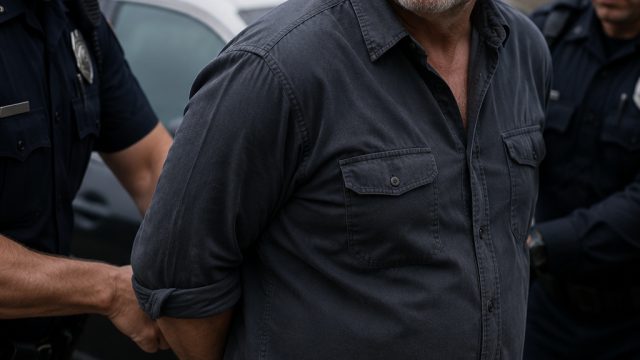
The recent arrest of a contractor from the Binghamton area for making alarming threats against State Senator Lea Webb has raised significant concerns about political safety and hate crimes in New York. This incident serves as a reminder of the ongoing issues surrounding political discourse and the safety of public officials.
Understanding the Incident
On Tuesday afternoon, law enforcement officials apprehended the contractor, who allegedly made a series of menacing remarks directed at Senator Webb. These threats, described as both violent and racially charged, highlight an unsettling trend in which public figures are increasingly facing hostility over their political beliefs.
The Context Behind the Threats
As political tensions rise across the country, incidents like this cannot be overlooked. The increasing polarization in society often manifests in extreme ways, leading individuals to express their grievances through threats or violence. This particular case is indicative of a larger issue that involves not just the safety of politicians but also the health of democratic discourse.
Legal Repercussions and Community Impact
The contractor now faces serious legal consequences as he is charged with hate crimes under New York law. Such charges carry significant penalties, including potential imprisonment. The arrest has triggered discussions about the implications for community safety and the need for greater protection for public servants.
Immediate Reactions
- Local officials have condemned the threats, calling for unity against hate.
- Community members have voiced their concerns about the impact of such rhetoric on local politics.
- Advocacy groups are urging lawmakers to strengthen protections for public officials.
Broader Implications for Political Discourse
This incident is a stark reminder that the language used in political dialogue can lead to dangerous outcomes. The normalization of aggressive rhetoric poses a threat to the democratic process and the ability for elected officials to serve without fear. As this case unfolds, it may serve as a catalyst for discussions about how society can combat hate speech and promote respectful dialogue.
What Can Be Done?
To address these pressing issues, several steps can be taken:
- Education and Awareness: Raising awareness about the consequences of hate speech can help mitigate future incidents.
- Support for Victims: Providing support and resources for those who experience threats can empower individuals to speak out.
- Legislative Action: Advocating for stronger laws against hate crimes can create a more secure environment for public officials.
Conclusion
The arrest of the Binghamton contractor marks a critical moment in the conversation about safety, hate crimes, and the nature of political discourse in America. As communities rally against such behavior, it is essential to foster an environment that promotes understanding and respect, allowing for diverse viewpoints to be expressed without fear of intimidation. The implications of this case extend beyond the immediate circumstances, calling for a collective effort to ensure that democracy remains robust and safe for all participants.