 Personal Blogging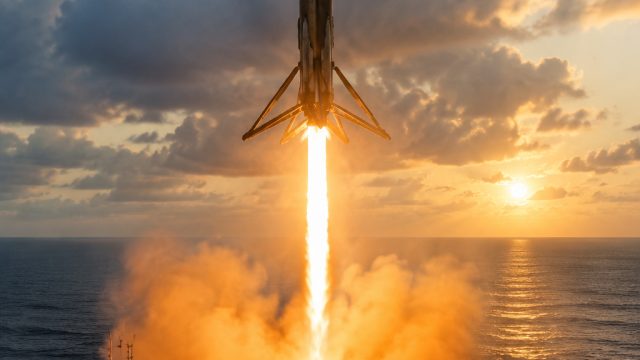
SpaceX, the innovative aerospace manufacturer founded by Elon Musk, continues to push the boundaries of technology with the recent launch of its new return capsule, dubbed 'Starfall'. On a crisp morning at Cape Canaveral, Florida, the Falcon 9 rocket successfully lifted off with this cutting-edge capsule, marking a significant milestone in the company’s quest to revolutionize space travel and cargo retrieval.
What is the Starfall Capsule?
The Starfall capsule is designed to facilitate the return of cargo from space to Earth, a venture that demonstrates SpaceX’s commitment to enhancing the logistics of space missions. Unlike traditional return vehicles, Starfall employs advanced technology for efficient reentry and recovery, potentially minimizing costs and improving reliability.
Key Features of Starfall
- Enhanced Reentry Technology: Starfall utilizes state-of-the-art materials and engineering to withstand the extreme conditions of atmospheric reentry.
- Payload Capacity: The capsule can carry significant cargo, making it ideal for resupply missions to the International Space Station and beyond.
- Autonomous Landing Systems: Equipped with advanced navigation and control systems, Starfall aims to ensure a safe touchdown, potentially on various terrains.
The Importance of Starfall in Today's Space Landscape
As private companies increasingly enter the space sector, the demand for reliable cargo transport solutions is at an all-time high. Starfall's launch comes at a pivotal moment, addressing the pressing need for more efficient space logistics. With scientific research and commercial endeavors expanding, this capsule could serve as a vital component in ensuring that supplies reach their destinations safely and promptly.
Implications for Space Missions
The implications of the Starfall capsule extend beyond mere cargo retrieval. Here’s why this matters now:
- Supporting Scientific Research: Reliable transportation of experiments and supplies is crucial for ongoing research in low Earth orbit.
- Commercial Growth: As the commercial space sector grows, Starfall could enable a new era of services including satellite deployment and space tourism support.
- Sustainability in Space Operations: By optimizing reentry methods, Starfall aims to reduce space debris and enhance the sustainability of future missions.
Looking Ahead: What’s Next for SpaceX?
Following the successful launch of Starfall, SpaceX has plans to further develop and refine this technology. The company is keen on leveraging the lessons learned from this mission to enhance future iterations of the capsule, potentially incorporating feedback from scientific and commercial users.
Future Developments
Here are some potential next steps for SpaceX and the Starfall program:
- Increased Flight Testing: More test flights will be necessary to verify the capsule's performance in various conditions.
- Partnerships with Research Institutions: Collaborations could foster advancements in space research methodologies.
- Commercial Contracts: SpaceX may seek contracts with both governmental and commercial entities for regular cargo transport services.
Conclusion: A New Horizon in Space Exploration
The launch of the Starfall capsule represents a significant leap forward in the realm of space cargo retrieval. With its advanced technology and potential applications, Starfall could ease the logistics challenges of space missions, enabling a thriving future for exploration and commercial endeavors in the cosmos. As SpaceX continues to innovate, the world watches eagerly, anticipating what this new era in space transport will bring.