 Personal Blogging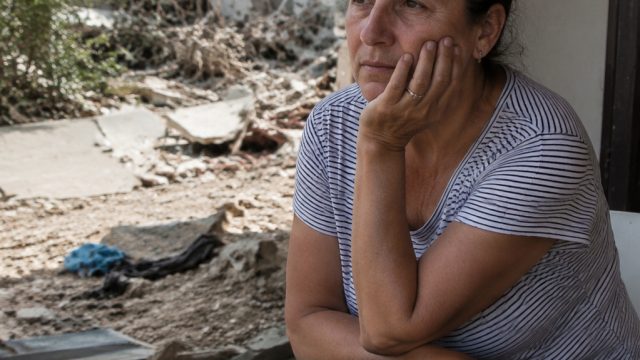
Uncertainty Looms: Residents in Northern Israel Skeptical of Ceasefire Impact
The recent ceasefire agreement in the ongoing conflict involving northern Israel and Hezbollah has sparked intense discussions among locals. Many residents express doubt regarding its potential to bring lasting peace. This skepticism is particularly significant in the context of ongoing violence and instability that has plagued the region.
Local Voices: Doubts and Concerns
In towns close to the Lebanese border, the atmosphere is charged with anxiety. Residents voice their concerns, mentioning that while official talks may signal hope, their realities are shaped by persistent violence. Many feel that the ceasefire is merely a temporary solution.
Recent Incidents Fuel Anxieties
- A deadly attack by Hezbollah resulted in casualties, intensifying fears among civilians.
- Israeli forces responded with fire, leading to casualties on both sides.
- Community members report feeling abandoned, caught in a cycle of violence.
The Complex Background of the Conflict
To understand the skepticism around the ceasefire, it is essential to delve into the historical context. Northern Israel has been a hotspot for conflict for decades, marked by territorial disputes and constant skirmishes.
Key Historical Events
- The 2006 Lebanon War, which saw widespread destruction and loss of life.
- Growing tensions over land and resources, with each side feeling aggrieved.
- Political shifts in the region that have affected alliances and hostilities.
The Current Climate: What Residents Are Saying
Feedback from the local community reflects deep-rooted fears. Many believe that while agreement terms may be set, the execution is fraught with uncertainty. Voices echo a desire for real solutions rather than political posturing.
Common Themes in Resident Concerns
- Distrust of political leaders and their promises.
- A feeling of being pawns in a larger geopolitical game.
- A wish for genuine dialogue and reconciliation efforts.
The Global Perspective on Regional Stability
The international community watches this situation closely, understanding that what happens in northern Israel can have ripple effects throughout the Middle East. Analysts emphasize the need for serious diplomacy to address the root causes of the conflict.
Implications of Ongoing Violence
Continuing violence has broader implications, including:
- Displacement of communities and humanitarian crises.
- Strained relations among neighboring countries.
- Increased recruitment for militant groups, further destabilizing the region.
Conclusion: The Road Ahead
As the ceasefire continues to shape discussions in northern Israel, it becomes clear that residents desire more than just a pause in violence; they seek long-term solutions that can foster peace and stability. The skepticism surrounding the ceasefire is a testament to the complexities of the conflict and a reminder that true resolution requires more than just temporary agreements.
In a world where conflict can escalate rapidly, the insights from locals are invaluable. Their experiences and voices highlight the urgent need for effective change. Monitoring future developments in this situation will be crucial, as the implications extend far beyond local borders.