 Personal Blogging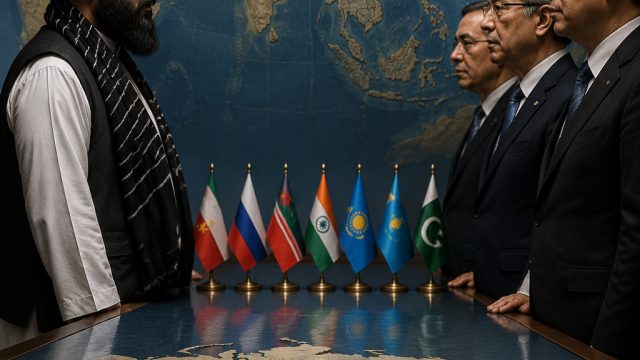
As the geopolitical landscape continues to evolve, the quest for membership in the Shanghai Cooperation Organization (SCO) by the Taliban has garnered significant attention. Recently, Russian envoy Zamir Kabulov revealed that the Taliban's ambition to join the SCO is being hindered by one of its member states. This development not only underscores the complexities of international diplomacy but also reflects the ongoing global struggle to engage with the Taliban following their return to power in Afghanistan.
The Significance of the SCO
The Shanghai Cooperation Organization, established in 2001, aims to promote regional security, economic cooperation, and cultural exchange among its member states, which include China, India, and Russia. For the Taliban, joining this influential group would represent a step toward international legitimacy and provide a platform for engaging with key regional players.
Why the Taliban Seeks SCO Membership
- Legitimacy: Gaining recognition from established nations is crucial for the Taliban, particularly after years of isolation.
- Economic Opportunities: Membership could facilitate trade and investment, crucial for Afghanistan's war-torn economy.
- Security Cooperation: Collaborating with neighboring states on security issues could stabilize Afghanistan.
The Roadblock: Opposition from a Member State
Despite the Taliban's interest, Kabulov indicated that one member of the SCO is reluctant to support their application. While the identity of this nation hasn't been disclosed, speculation suggests it could be driven by concerns over the Taliban's commitment to counterterrorism and human rights.
Potential Motivations Behind the Opposition
- Security Concerns: Regional threats from extremist groups may lead member nations to question the Taliban's ability to provide a secure environment.
- Human Rights Issues: The Taliban's record on human rights continues to raise alarms, impacting their acceptance on international platforms.
- Political Relations: Long-standing political tensions between SCO members may also influence their stance on the Taliban.
Implications for Afghanistan and the Region
The stalling of the Taliban's bid for SCO membership has broader implications. A denied application may further entrench Afghanistan's isolation, complicating its path toward recovery and international recognition. Moreover, it sends a message to other nations about the difficulties of engaging with regimes that have controversial governance records.
Broader International Reactions
The international community is watching closely. If one major player within the SCO blocks the Taliban's entry, it could influence other nations' approaches to Afghanistan. This situation emphasizes the delicate balance of diplomatic relations in a post-conflict context.
Conclusion: The Future of Taliban's Membership in the SCO
As the Taliban navigates this diplomatic labyrinth, the question remains: will they overcome the opposition and gain a foothold in the SCO? The answer could impact Afghanistan's political landscape and regional security dynamics significantly. Observers are left to ponder the future trajectory of both the Taliban and the SCO in an increasingly interconnected world.
Ultimately, the ongoing discussions highlight the complexities of international diplomacy in the post-Taliban era. For a group striving for recognition and legitimacy, the challenges they face in the SCO may serve as a microcosm of their broader struggles on the world stage.