 Personal Blogging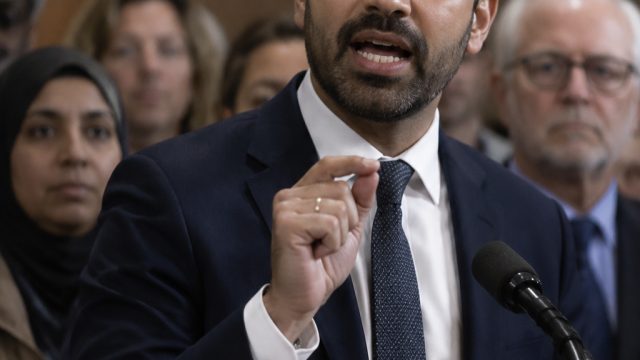
Controversy Erupts as Politician Labels AIPAC Members Amid NY Primaries
In a politically charged atmosphere as New York's primaries approach, local politician Zohran Mamdani has ignited a significant debate by referring to members of the American Israel Public Affairs Committee (AIPAC) as 'monsters' during a recent rally. His statement has drawn both support and backlash, highlighting the increasingly polarized nature of political discourse in the United States.
The Context Behind Mamdani's Remarks
Mamdani's comments came during a rally seeking to mobilize voters for the upcoming New York primaries, where allegations of anti-Semitism have become a hot topic. The AIPAC, a prominent lobbying group that advocates for pro-Israel policies, has frequently been at the center of political conflicts, especially among progressive lawmakers.
Understanding AIPAC's Role
- AIPAC is one of the most influential lobbying organizations in Washington, D.C.
- It aims to strengthen U.S.-Israel relations through political advocacy.
- The organization has faced criticism from various factions over its political influence.
Public Perception and Backlash
Mamdani's heated rhetoric has sparked a wave of reactions on social media and within political circles. Supporters argue that his comments shed light on the perceived negative influences of AIPAC on American foreign policy, while critics view it as an incitement of hatred against Jewish people.
Political Ramifications Ahead of Primaries
As the New York primaries draw near, Mamdani's comments may have far-reaching implications for his campaign and others in the area. With the Democratic Party increasingly divided on issues related to Israel and Palestine, this incident illustrates the growing divide and the potential for intra-party conflict.
Impact on Voter Sentiment
Public opinion on AIPAC and its policies has shifted in recent years, particularly among younger voters. Here are a few points about how this controversy might affect voter sentiment:
- Increased engagement among progressive voters who align with Mamdani's critique.
- Possible alienation of moderate Democrats who support AIPAC's mission.
- The risk of heightened tensions within diverse communities regarding identity and support for Israel.
The Role of Media in Political Discourse
The media's portrayal of Mamdani's statements and the broader discourse surrounding AIPAC will play a critical role in shaping public perception. As news outlets pick up the story, the framing of the narrative could either amplify or dilute the controversy.
Key Considerations for Media Coverage
- The importance of responsibly reporting on sensitive topics related to race, religion, and politics.
- How media frames can influence public understanding and reactions.
- The responsibility of public figures to communicate effectively amidst charged political landscapes.
Conclusion: The Future of Political Discourse
The incident involving Mamdani and AIPAC is more than just a political statement; it reflects a deeper struggle over identity, representation, and the direction of political dialogue in America. As the primaries approach, how candidates navigate these sensitive topics will likely influence their political futures and the broader fabric of American politics.
In an era where political rhetoric is under scrutiny, this situation serves as a reminder of the weight words carry and the importance of fostering respectful discourse, especially when discussing contentious issues like those involving AIPAC.