 Personal Blogging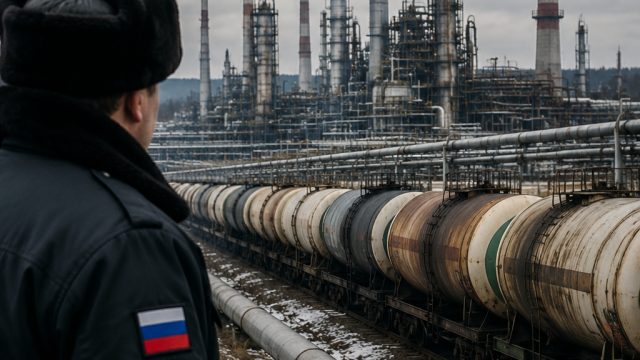
As tensions escalate in Eastern Europe, the implications of Russia's potential restrictions on diesel exports are becoming evident. With the ongoing conflict in Ukraine causing significant disruptions, fuel shortages are becoming a pressing concern for both Russia and the global market. This article delves into the motivations behind these restrictions and their potential impact.
The Context of the Crisis
Recent reports indicate that Russian authorities are contemplating a ban on diesel exports as military operations intensify and Ukrainian drone strikes target critical infrastructure. The conflict has not only affected military logistics but is also creating ripples in the civilian energy sector.
Impact on Domestic Consumption
The proposed export ban would prioritize domestic consumption, addressing the acute fuel shortages faced by Russian citizens and industries. As the conflict disrupts supply lines, maintaining adequate fuel levels becomes crucial. Failure to do so could result in widespread shortages, hindering various sectors, including transportation and agriculture.
Global Fuel Market Reactions
Should Russia implement a diesel export ban, the repercussions would extend well beyond its borders. The global fuel market is highly interconnected, and any restrictions from one of the largest oil producers could lead to increased prices and heightened volatility worldwide.
Historical Precedents and Current Trends
- Price Volatility: Historical data shows that geopolitical tensions often lead to rapid price fluctuations in oil and diesel markets.
- Supply Chain Disruptions: Past conflicts have underscored the vulnerability of global supply chains to regional crises.
- Alternative Sources: Countries reliant on Russian oil may need to explore alternative sources, which can take time and resources to establish.
Potential Alternatives and Strategies
In light of the potential restrictions, countries dependent on Russian oil may need to consider various strategies to mitigate the impact of this crisis:
Diversifying Energy Sources
Investing in renewable energy and seeking alternative supply chains can help countries reduce their reliance on Russian diesel. Countries like Germany and the UK are already exploring these options as part of their long-term energy strategies.
Enhancing Local Production
Increasing domestic production of diesel and other fuels can help stabilize local markets. Governments could encourage investment in local refineries and support the oil extraction sector to boost production capacity.
Public Response and Economic Consequences
The public response to fuel shortages has been mixed, with citizens expressing concern over the rising costs of living and transportation. Economic analysts predict that if shortages persist, Russia could face significant economic repercussions, including inflation and reduced consumer spending.
Long-Term Economic Outlook
- Inflation Risks: Fuel shortages could exacerbate inflation, leading to a decrease in purchasing power for Russian citizens.
- Investment Slowdown: Uncertainty in the energy sector may deter foreign investment, crucial for economic recovery.
- Global Supply Chain Adjustments: Countries may start adjusting their supply chains in anticipation of continued volatility, which could reshape global trade dynamics.
Conclusion: The Path Forward
As Russia contemplates a diesel export ban amid the ongoing conflict with Ukraine, the potential ramifications on both domestic and global fuel markets are significant. Stakeholders from various sectors must prepare for a future where energy security becomes increasingly uncertain. The importance of diversifying energy sources and strengthening local production capabilities cannot be overstated. As this situation unfolds, staying informed will be crucial for understanding its broader economic implications.