 Personal Blogging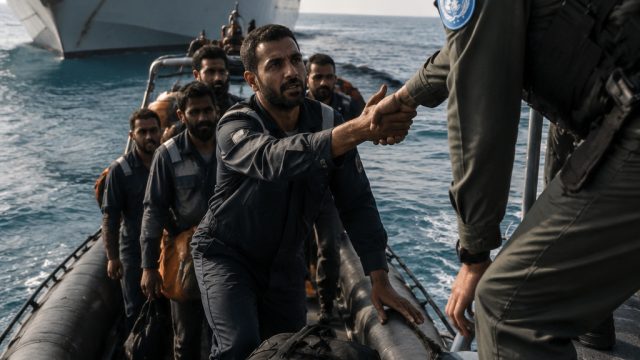
In a significant development, the United Nations has announced plans to evacuate approximately 11,000 sailors stranded in the hazardous waters of the Strait of Hormuz. This announcement comes as the region faces escalating tensions and extensive shipping delays, impacting global trade and maritime safety.
The Severity of the Situation
The Strait of Hormuz, a crucial maritime route, has been at the center of geopolitical conflicts that have led to disruptions in shipping lanes. Currently, around 1,200 cargo vessels carrying billions of dollars worth of goods are stuck due to increased maritime security issues. With the UN finally stepping in, the urgency of the situation cannot be overstated.
Impact on Global Trade
This blockade has profound implications not just for affected sailors but for global trade networks. The goods delayed in this region are essential, ranging from oil to electronics. With the international market on edge, companies reliant on timely delivery are already feeling the financial strain.
What Led to the Evacuations?
The ongoing tensions between the US and Iran over nuclear agreements and regional control have exacerbated the situation. The maritime conflicts are not merely about trade; they reflect larger geopolitical struggles that could influence future diplomatic relations.
Immediate Responses from Governments
- The US has pledged to enhance naval presence in the region.
- Iran's stance remains aggressive, asserting its rights over the Strait.
- Global shipping companies are reassessing their routes to avoid the area.
Safety Protocols for Evacuation
The UN's evacuation process will involve coordinated efforts to ensure the safety of the sailors. The strategy will include:
- Establishing secure transit routes.
- Providing medical assistance.
- Maintaining regular communication with families of stranded sailors.
Future Implications for Maritime Operations
As the UN takes these steps, it is crucial to consider the long-term effects on maritime operations in the region. With the risk of similar incidents occurring in the future, countries must work together to find sustainable solutions for safe passage in the Strait of Hormuz.
Conclusion
The UN's intervention marks a critical moment in addressing maritime safety in the Strait of Hormuz. As thousands of sailors await evacuation, the world watches closely. The ripple effects of this situation will likely shape international relations and trade strategies in the months to come. For now, the focus remains on ensuring the safety and well-being of those at sea.