 Personal Blogging
The Importance of Meal Planning
Meal planning is a powerful tool for maintaining a healthy lifestyle. It helps streamline grocery shopping, reduces food waste, and promotes balanced eating.
1. Assess Your Needs
Consider dietary requirements, preferences, and your weekly schedule. This will inform your meal planning process.
2. Choose Your Meals Wisely
Select recipes that are not only healthy but also easy to prepare. Incorporate a variety of proteins, vegetables, and whole grains for balanced nutrition.
3. Make a Grocery List
Once you’ve selected your meals, create a detailed grocery list. Stick to it to avoid impulse purchases and ensure you have all necessary ingredients.
4. Prep in Advance
Set aside time each week for meal prep. Chop vegetables, marinate proteins, and even pre-cook grains to save time during your busy weekdays.
5. Store Meals Properly
Use clear containers for easy visibility. Label meals with dates to ensure freshness and organization in your fridge or freezer.
Incorporating Healthy Snacks
Healthy eating isn’t just about meals. Snacks are important too!
1. Choose Nutrient-Dense Options
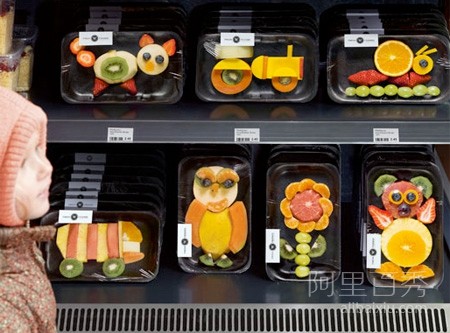
Opt for snacks that are high in nutrients, such as nuts, fruits, yogurt, or whole-grain crackers.
2. Portion Control
Pre-portion snacks into single servings to avoid overeating. Store them in grab-and-go bags for easy access.
Conclusion
Meal planning can simplify your journey to healthier eating. With these tips, you’ll find it easier to stick to your wellness goals and enjoy delicious meals every week.