 Personal Blogging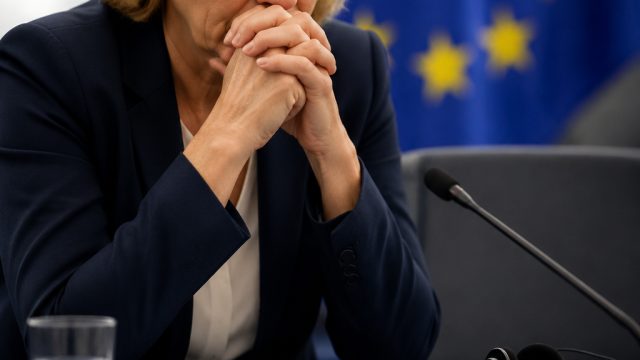
In a recent statement that has caught the attention of international observers, a prominent European lawmaker has publicly apologized to Afghan citizens following a controversial meeting with representatives of the Taliban in Brussels. This development comes at a critical time when the international community is grappling with the complex dynamics surrounding Afghanistan and its governance.
The Context of the Apology
Rochelle García Hermida, a member of the European Parliament, expressed her remorse over the European Parliament's decision to engage in talks with the Taliban. Many perceive this as a significant misstep, especially considering the Taliban's contentious history and its implications for the Afghan populace. Hermida's remorse underscores a growing concern among lawmakers regarding the legitimacy granted to the Taliban through such dialogues.
Afghan Perspectives on International Engagement
For many Afghans, the Taliban's return to power has been a source of fear and uncertainty. The engagement from European lawmakers could be seen as a betrayal of the sacrifices made by those striving for a democratic and inclusive government. As Hermida pointed out, the European Parliament has a responsibility to advocate for the voice of the Afghan people, especially in a time of crisis. In light of this, it is crucial to understand how Afghan citizens view international engagement with the Taliban.
- Fear of Legitimization: Many Afghans fear that talks with the Taliban will legitimize their rule and undermine the progress made over the past two decades.
- Diminished Hope: The influence of the international community is seen as vital in maintaining hope for future governance that respects human rights.
- Desire for Support: Afghans are seeking support from international actors to advocate for humanitarian needs and rights.
Implications for EU Foreign Policy
This incident raises critical questions about the European Union's foreign policy strategy towards Afghanistan. Hermida's apology signifies a potential shift in how EU lawmakers might approach future interactions with the Taliban. It reflects a broader debate about whether engaging with groups like the Taliban can yield positive outcomes or if it merely legitimizes oppressive regimes.
Potential Changes in Approach
As the EU grapples with its approach to Afghanistan, several strategies could emerge:
- Increased Focus on Humanitarian Aid: Prioritizing aid that directly benefits Afghan citizens without empowering the Taliban.
- Strengthening Diplomatic Conditions: Conditioning any dialogue with the Taliban on their commitment to human rights and inclusive governance.
- Engagement with Afghan Civil Society: Fostering relationships with Afghan activists and organizations to better understand the needs and aspirations of the local population.
The Role of Global Actors
Moreover, the role of other global actors cannot be overstated. Countries such as the United States and regional powers in Asia must also navigate their relationships with the Taliban carefully. The dynamics of international politics are ever-changing, and the EU must position itself strategically to maintain influence and support for Afghans.
Collaborative Efforts Ahead
Efforts to collaborate with other nations will be essential in shaping a coherent strategy towards Afghanistan. The EU’s decision to engage, or not, with the Taliban can set a precedent for how similar situations are handled in the future. Here are potential collaborative efforts that could arise:
- Joint Humanitarian Initiatives: Partnering with international organizations to deliver aid directly to those in need.
- Coalitions for Advocacy: Forming coalitions with other countries that share similar concerns about the Taliban’s governance and human rights abuses.
- Monitoring Developments: Establishing a framework for monitoring the situation in Afghanistan to respond swiftly to changes.
Conclusion: A Turning Point in Afghan Relations
Rochelle García Hermida's apology serves as a stark reminder of the complexities involved in international relations, especially concerning Afghanistan. As the EU and other global players reassess their strategies, it is vital to keep the Afghan people's voices at the forefront. The path forward requires sensitivity, collaboration, and a commitment to ensuring that engagements do not compromise the values of freedom and justice that many Afghans continue to strive for.