 Personal Blogging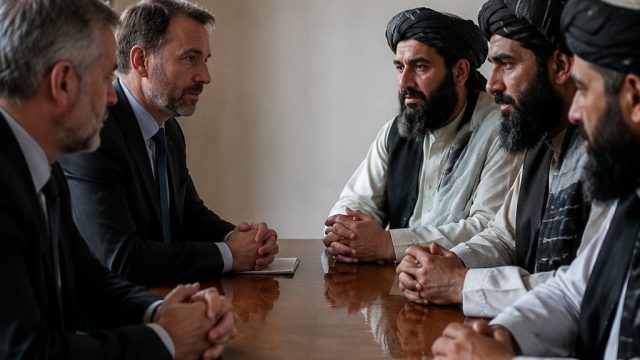
Amidst ongoing global discussions regarding the intricate dynamics of Afghan governance, Hannah Neumann has asserted a pivotal point: there is no such thing as 'technical talks' with the Taliban. As complexities rise in international relations, especially concerning nations like Afghanistan, understanding the nature of dialogue with such groups is crucial for navigating today’s geopolitical landscape.
The Incompatibility of Ideologies
The statement by Neumann, a notable figure in European politics, sheds light on a critical aspect of engaging with the Taliban. The group operates on a fundamentally different ideological framework compared to Western democratic ideals, making purely technical discussions futile. This divergence in values underscores the challenges that any form of negotiation entails.
Understanding the Taliban's Stance
- Rigid Ideological Framework: The Taliban’s hardline beliefs dictate their approach to governance and diplomacy, often rejecting conventional negotiation tactics.
- Lack of Trust: Historical conflicts and power struggles have led to a significant lack of trust in dialogues with the Taliban, complicating efforts for peaceful resolutions.
- Political Interests: The Taliban's interests often align with their control over Afghanistan, prioritizing power dynamics over collaborative dialogue.
The Role of International Actors
International actors play a critical role in the dialogue—or lack thereof—surrounding the Taliban. Countries and organizations engaging with the Taliban must navigate a complex maze of political interests while trying to assert their influence for better governance in Afghanistan.
Challenges Faced
- Changing Political Landscape: The political landscape in Afghanistan is fluid, making it difficult for international entities to formulate consistent strategies.
- Human Rights Concerns: Continued human rights violations under Taliban rule create additional barriers to constructive dialogue.
- Global Security: The Taliban's potential to foster terrorist groups poses significant security threats that complicate international engagement.
Why This Matters Now
As global attention shifts back to Afghanistan, the insights shared by leaders like Neumann are more relevant than ever. The complexities of engaging with the Taliban impact not only Afghanistan’s future but also regional and global stability.
Consequences of Misunderstanding Dialogue
- Policy Formation: Misconceptions about the nature of talks can lead to ineffective policies that fail to address the underlying issues.
- Public Perception: The public may become disillusioned with foreign diplomacy efforts if they are viewed as ineffective.
- Security Risks: Failing to recognize the Taliban's strategic goals can inadvertently increase security risks for involved nations.
Conclusion
In summary, the assertion that there are no 'technical talks' with the Taliban is a critical reflection on modern diplomacy. As the world continues to seek a path forward in Afghanistan, understanding the limitations and complexities of engaging with the Taliban offers a clearer perspective on how international relations can evolve. Navigating this terrain requires not just technicality but a deep understanding of the socio-political fabric of Afghanistan, which is essential for any future negotiations.