 Personal Blogging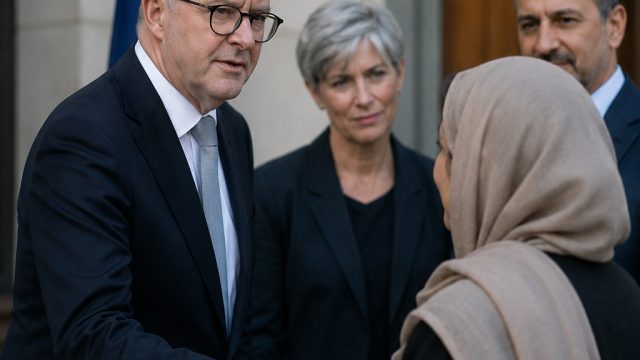
In a significant political move, the Australian Parliament has revived its Friendship Group dedicated to fostering ties with the Afghan people. This initiative underscores Australia's commitment to supporting Afghan communities, especially vulnerable groups such as women and girls, amidst the troubling human rights situation under Taliban governance.
The Importance of This Initiative Today
As Afghanistan continues to grapple with stringent Taliban rule, many international observers have voiced concerns about the ongoing human rights violations occurring within its borders. This new endeavor by the Australian Parliament aims to not only maintain a dialogue with Afghan stakeholders but also to spotlight the plight of those suffering from repressive policies, particularly focusing on women who are facing unprecedented challenges.
A Legislative Lifeline for Afghans
Reviving the Friendship Group is more than a symbolic gesture; it represents a legislative lifeline for Afghans. The bipartisan nature of this initiative serves as an essential reminder that political lines can be crossed when it comes to humanitarian issues.
- Political Synergy: Both major political parties in Australia have agreed on the need to support Afghans, demonstrating a unified approach to international human rights.
- Community Engagement: The group aims to engage with Afghan diaspora communities in Australia, fostering understanding and support networks.
- Humanitarian Aid: Initiatives may lead to increased calls for humanitarian aid and public awareness campaigns.
Addressing Women’s Rights in Afghanistan
Women's rights have been severely curtailed since the Taliban regained power in 2021. Restrictions on education, employment, and personal freedoms have taken a toll on Afghan women's lives. This initiative will prioritize discussions on how Australia can assist these women in reclaiming their rights and ensuring their voices are heard.
Implementation Strategies
The success of this initiative will hinge on effective strategies that convert political goodwill into actionable support. Key strategies may include:
- Advocacy Initiatives: Launching campaigns to raise awareness about Afghan women's rights within Australia.
- Partnership with NGOs: Collaborating with local and international organizations focused on women's empowerment in Afghanistan.
- Cultural Exchange Programs: Facilitating exchanges that promote Afghan culture and history, fostering a deeper understanding within Australian communities.
Global Context: A Collective Responsibility
The situation in Afghanistan is not just a national issue for Australia; it is a global concern. Countries around the world are being called upon to take action in response to the dire human rights conditions in Afghanistan. Australia's renewed commitment is a vital part of a larger global effort to support Afghans.
Implications for International Relations
By taking a firm stance on human rights, Australia strengthens its position as a proactive player in international politics. This re-engagement with Afghan issues could also influence diplomatic relations with other nations, particularly those in the region.
Conclusion: A Pledge for the Future
The revival of the Friendship Group by the Australian Parliament marks a pivotal step in addressing the ongoing humanitarian crisis in Afghanistan. It sends a strong message of solidarity to Afghan people, especially women and girls whose rights are under siege. As the world watches, Australia's initiative might inspire other nations to step up their commitments as well, ensuring that the plight of Afghans, particularly vulnerable populations, does not fade from the global agenda.